

What is Anthropology?
The study of Anthropology provides students with the intellectual and practical skills for navigating our complex, global, 21st century world by…
- Encouraging cross-cultural and international experiences and providing a means for understanding cultures and ways of life, our own as well as others,
- Combining classroom study with real world experience via field schools, involvement in faculty research in the field and the lab, and internships in the broader community and workplace,
- Providing a broad Liberal Arts education emphasizing critical thinking, close reading, and both persuasive and analytical writing skills,
- Exploring the meanings of human diversity across both time and space, including biological, cultural, and linguistic diversity.
Studying Anthropology can be a transformative experience for many students. While not all Anthropology majors will become practicing anthropologists, many will find that their anthropological education informs their personal life, their career choices, and even the way they see the world long after graduation.

Cultural Anthropology
Cultural Anthropology (or Social Anthropology) is the study of behavior, material objects, traditions, practices, beliefs and values within societies. Cultural anthropologists seek to understand cultural, political, economic, and environmental dynamics at local, national, regional and global levels. Cultural anthropology has an applied perspective whereby anthropologists seek local solutions to contemporary problems in such fields as education, business, the environment, health, human rights and social justice.
Biological Anthropology
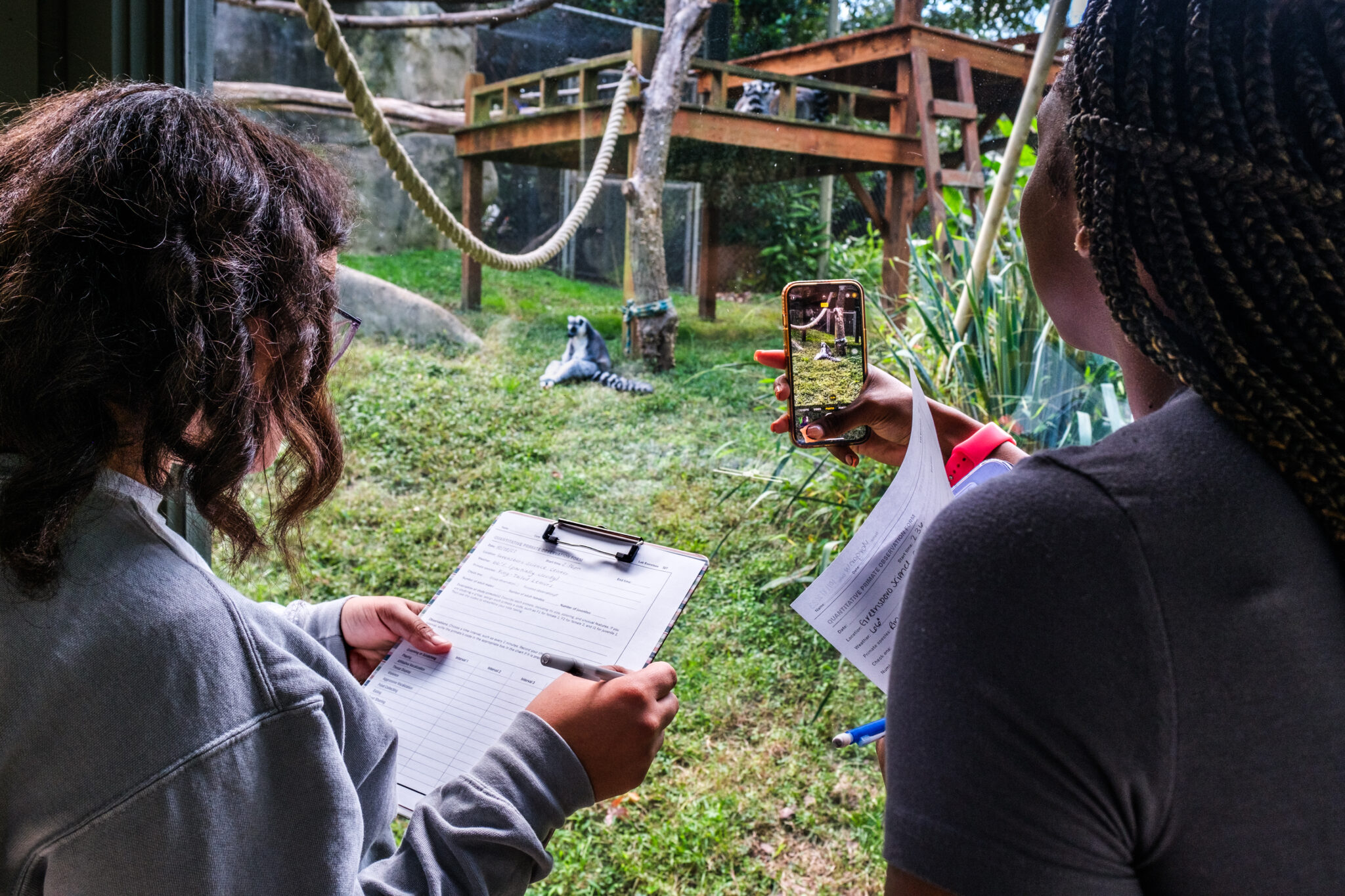
Biological Anthropology (or Physical Anthropology) is the study of the biology of living and fossil humans and the other members of the Order Primates. It utilizes an explicitly evolutionary approach to understand Homo sapiens as a member of the biological world. It includes subspecialties like paleoanthropology, skeletal biology, forensics, primatology, genetics, and human biology.

Archaeology
Archaeology is the study of human behavior and human societies as revealed by the recovery and analysis of the material culture and evidence of the environmental context of human existence in the historic and prehistoric past. The archaeological record begins several million years ago with the first stone tools, and continues to be formed today by a multitude of activities of modern humans.